As previously hinted by Nintendo, Nvidia has officially revealed details about the custom GPU powering the upcoming Nintendo Switch 2, though technical enthusiasts may find the disclosure somewhat limited.
In an official blog post, Nvidia confirmed earlier reports from IGN regarding Nintendo's next-generation console: the new GPU will support AI-powered upscaling through DLSS technology and real-time ray tracing capabilities.
Next-Generation Visual Technology
Nvidia DLSS (Deep Learning Super Sampling) utilizes artificial intelligence to enhance lower-resolution images in real-time, improving both gaming performance and visual fidelity.
The blog post offered additional technical specifics about the Switch 2's graphics processor, describing it as "a custom Nvidia chip equipped with dedicated RT Cores for ray tracing and Tensor Cores for AI-powered enhancements."
Nvidia emphasized the engineering effort behind the project: "With over 1,000 engineer-years of development spanning system architecture, chip design, custom GPU development, APIs, and professional-grade development tools, the Nintendo Switch 2 represents a significant technological leap forward."
The console will deliver 4K resolution in TV mode and support up to 120 FPS at 1080p in handheld configuration. Additional display technologies include HDR support and AI-enhanced image upscaling for sharper visuals and smoother gameplay.
Nvidia's RT Cores enable sophisticated lighting effects like realistic shadows and reflections, while the Tensor Cores power DLSS-enhanced image reconstruction. The company also revealed these AI processors enable advanced features including facial recognition and background removal for video communication applications.
Enhanced Social Features
During its recent Direct presentation, Nintendo demonstrated the new C-button functionality for video chat, which intelligently isolates the player's voice while filtering ambient noise through the console's built-in microphone array.
Nvidia made a bold performance claim regarding the new hardware: "With ten times the graphics processing power of the original Switch, the Switch 2 delivers notably smoother performance and enhanced visual clarity." The company did not provide specific benchmarks to substantiate these claims.
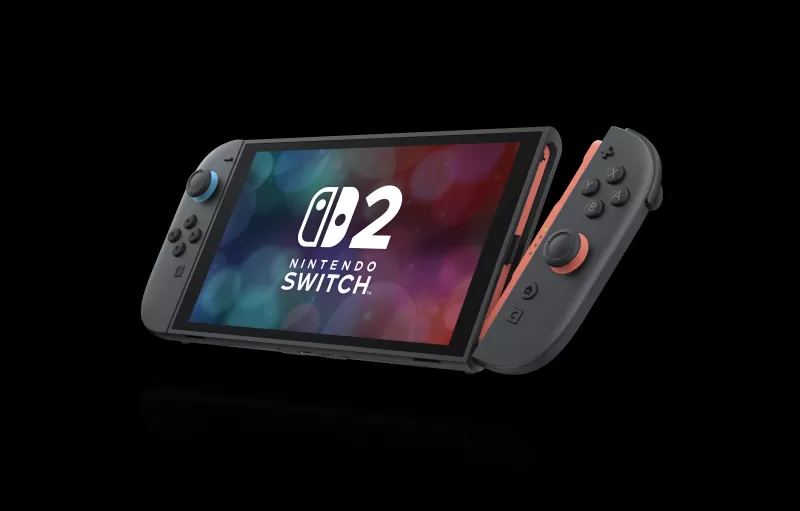
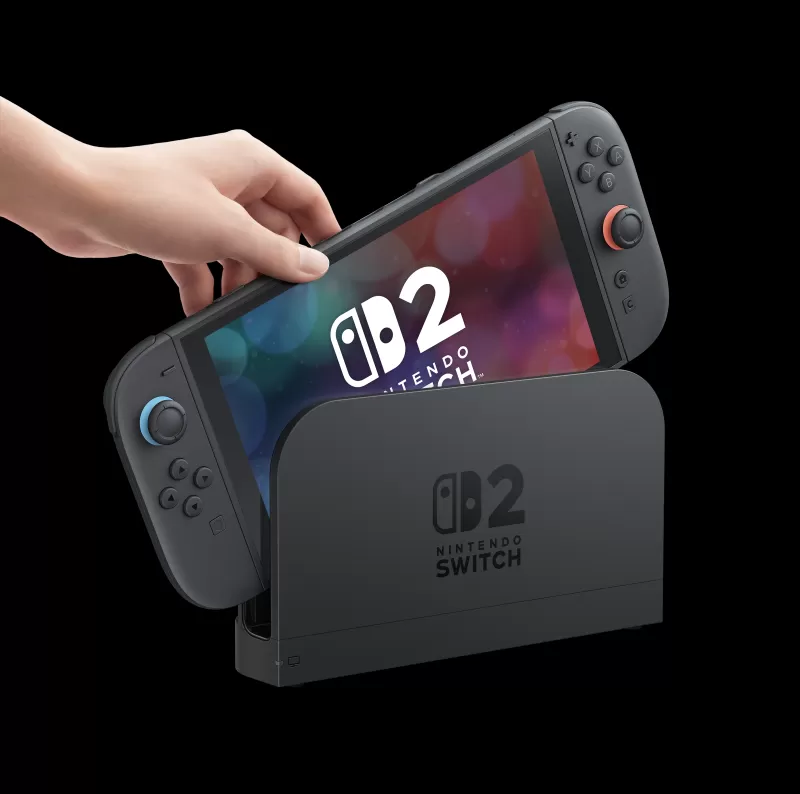
Switch 2 Hardware Preview
 91 Images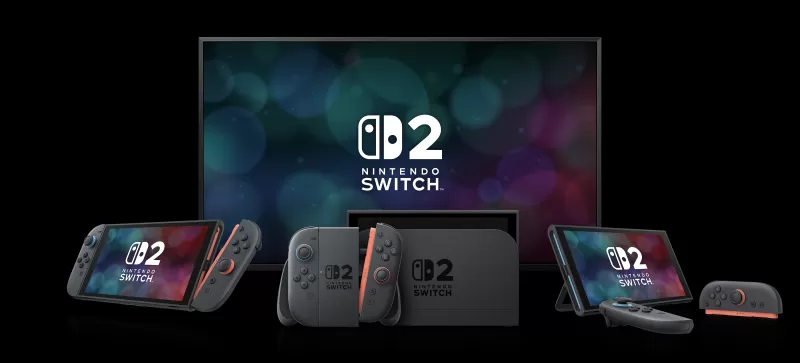
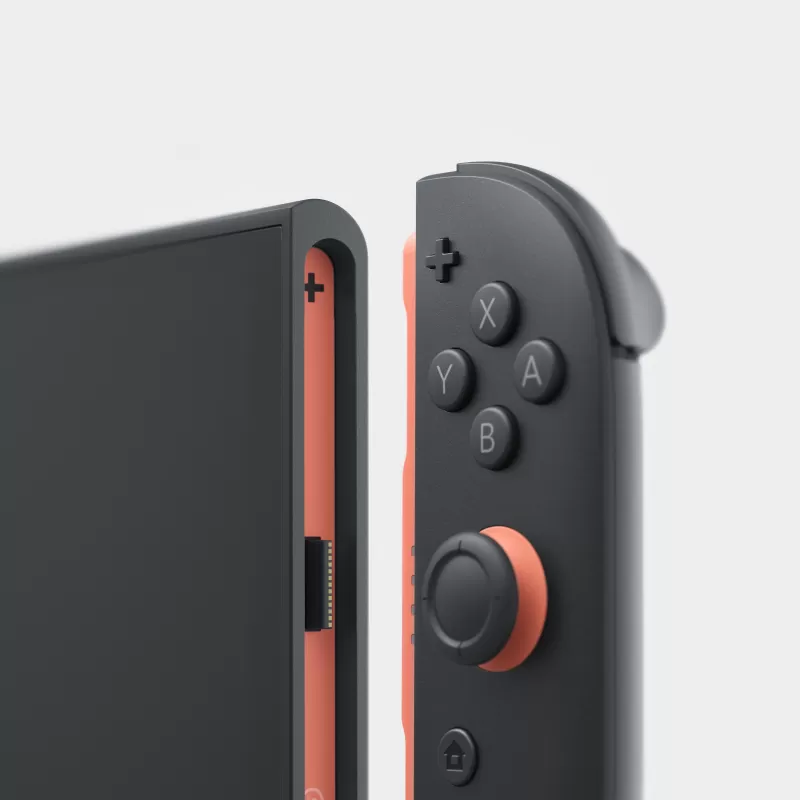
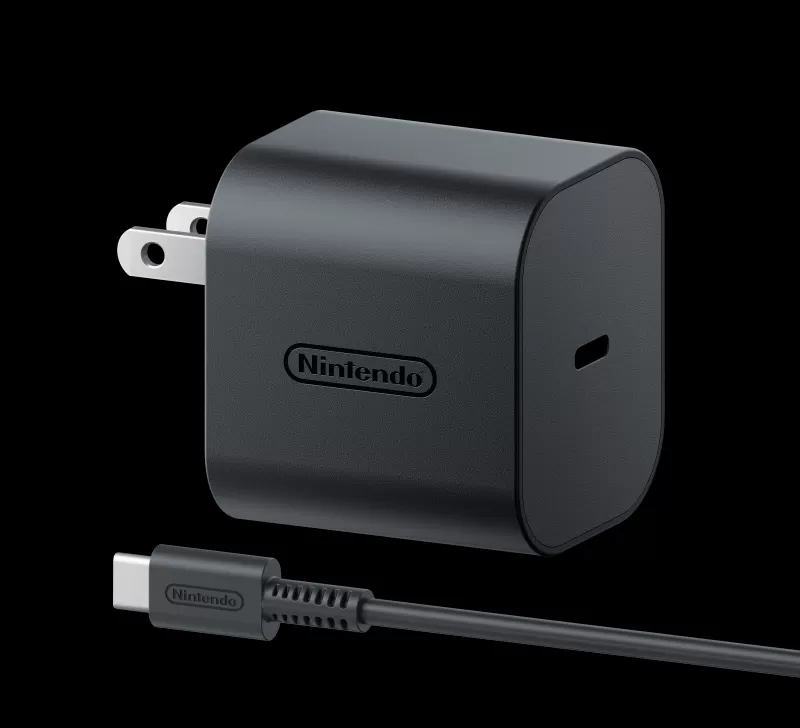
Additional technical specifications confirm G-SYNC compatibility for variable refresh rate support in handheld mode, ensuring tear-free gameplay. The Tensor Cores maintain power efficiency while enabling AI-enhanced graphics, and the RT Cores improve environmental realism through dynamic lighting effects.
At a recent technical briefing in New York, Nintendo representatives acknowledged DLSS support but declined to specify version details or confirm custom implementations. Company executives demonstrated similar ambiguity regarding the extent of ray tracing capabilities.
Tetsuya Sasaki, Nintendo's General Manager of Technology Development, explained the company's philosophy regarding hardware transparency: "We prefer focusing on consumer experience rather than technical specifications. However, our partners at Nvidia may provide additional hardware details."
Recent patent filings from July 2023 (published earlier this year) revealed Nintendo's work on AI-powered texture compression technology designed to maintain high-quality 4K assets while minimizing storage requirements for physical game cartridges.
For comprehensive coverage, explore our analysis of all announcements from the Switch 2 presentation, along with expert reactions to the console's $449.99 price point and the premium $80 pricing for Mario Kart World.