As the gaming landscape evolves, particularly within the horror genre, both developers and players frequently question how a new title will effectively generate tension and fear. Each year, familiar mechanics can become predictable, making a game's overall impact largely dependent on its design, narrative, and story. Occasionally, something truly exceptional breaks through, though such gems are rare. Today, we’ll be focusing on one standout category of these titles.
Instead of coining a new term, we'll adopt the widely recognized label "meta-horror" to describe this distinct horror genre or subgenre. The core characteristic of meta-horror is the deliberate breaking of the fourth wall, where the game interacts not just with its own characters and world, but directly with the player themselves. This technique, and the varied ways it's implemented, can elevate a game into a masterpiece. If you've played or watched any of the games discussed later, you're likely familiar with that unique feeling of intrigue and astonishment they provoke.
A pioneering example of breaking the fourth wall is Psycho Mantis from Metal Gear Solid. In a famous sequence, the boss character instructs you to put your controller down. While this may seem commonplace now, it was revolutionary in 1998. Hideo Kojima pushed this further by cleverly utilizing the DualShock controller's hardware, having the boss manipulate your console to reveal your playing habits and increase pressure on unsuspecting players.
This approach has since become more common, appearing in titles like Deadpool, Detroit: Become Human, and Nier: Automata. However, beyond simply addressing the player, these moments often lack deeper integration. Unless a game is fundamentally built to surprise through this direct interaction, breaking the fourth wall remains more of a clever bonus than a core mechanic.
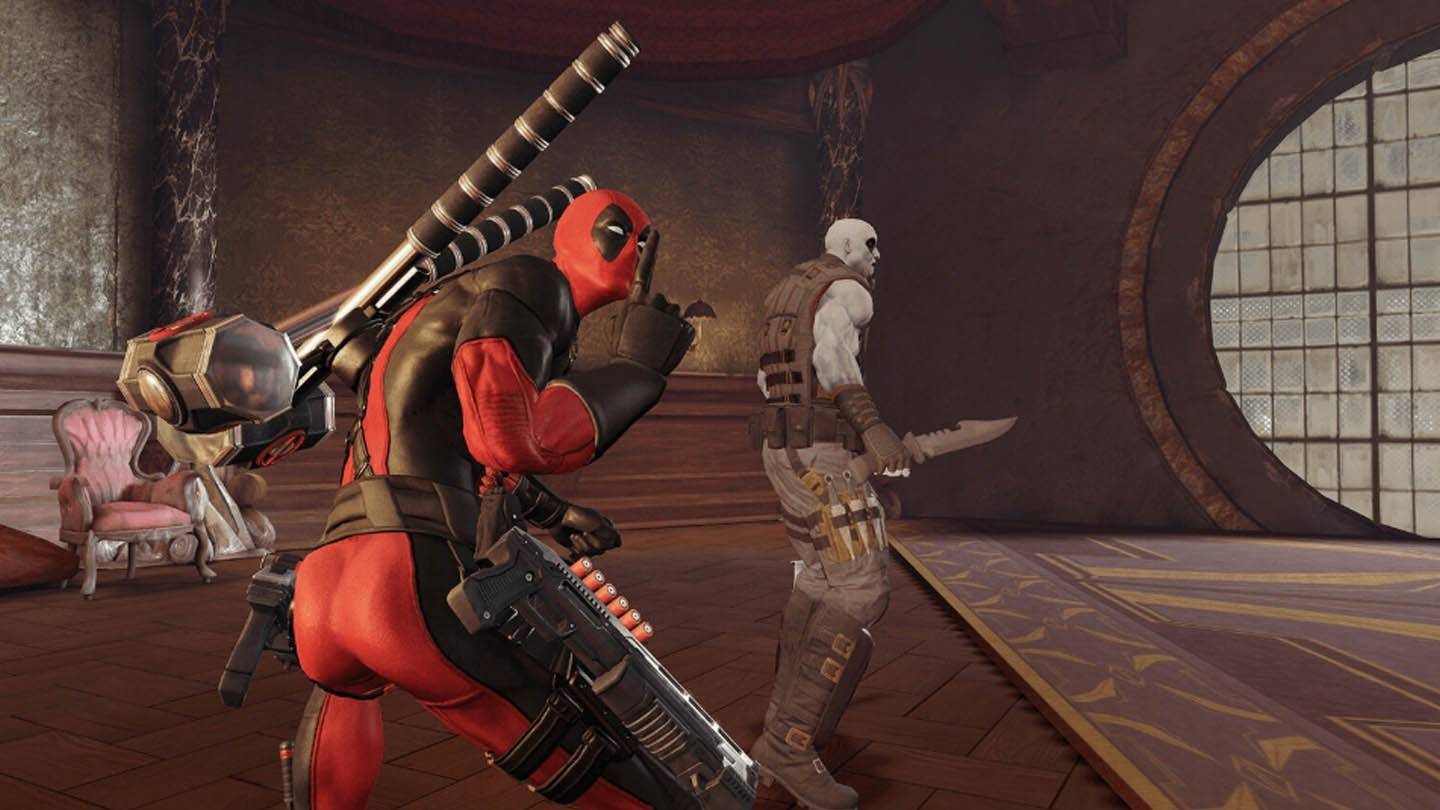 Image: reddit.com
Among recent releases, Miside is sometimes noted for its "elements of meta-horror." In truth, its meta-horror aspect is mostly confined to player interaction, a feature further complicated by its "game within a game" structure. This particular design choice is intriguing enough that it might warrant its own future discussion.
Now that we've established the basics, let's take a closer look at some definitive examples of meta-horror games.
Table of Contents
Doki Doki Literature Club! OneShot IMSCARED Conclusion 0 0 Comment on this
Doki Doki Literature Club!
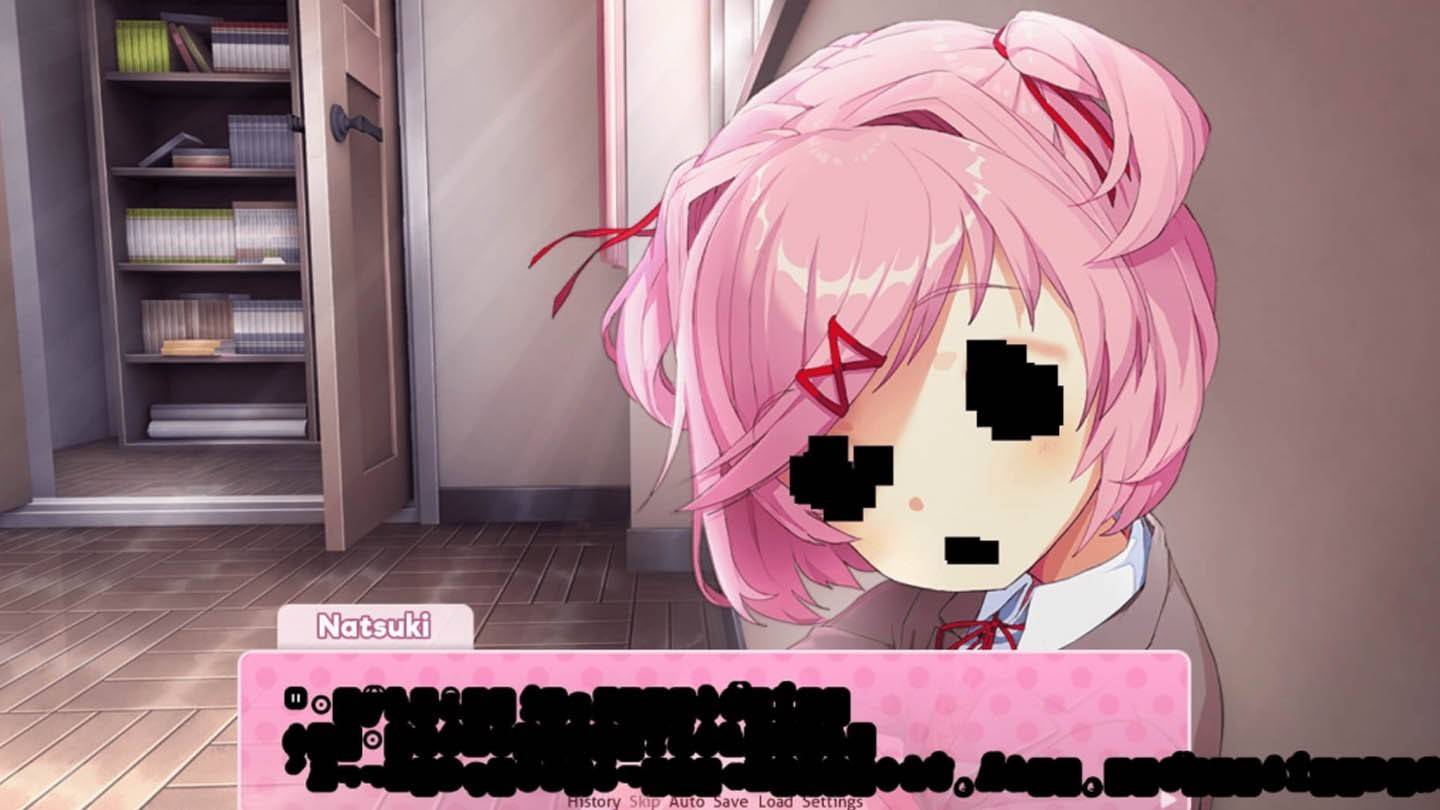 Image: reddit.com
Released in 2017, this visual novel initially presents itself as a lighthearted romantic comedy before taking a sharp, dark turn. It is a quintessential META-HORROR experience. The interaction with the player extends far beyond simple acknowledgment; the game accesses your operating system's username and creates cryptic files. These aren't just for story—they are integral gameplay mechanics.
The seemingly innocent literary club full of charming 2D girls quickly amassed a fanbase, including conspiracy theorists, all drawn to its bold and innovative execution. While not the absolute first of its kind, DDLC is credited with popularizing this style for a modern audience. With nearly four years since its last major update, the community remains eager for the developer's next project.
OneShot
 Image: reddit.com
Moving away from visual novels, this RPG Maker adventure pushes the boundaries even further. Although not explicitly marketed as horror, it contains deeply unsettling moments. In OneShot, you guide a character on a quest to save their world, but the game is keenly aware of *you* as the player.
It communicates through system windows, generates helpful files on your desktop, and alters its own window title—all essential elements for solving its puzzles. Unlike some other titles, OneShot fully integrates these meta elements into its core gameplay, creating a uniquely immersive experience. For many players, including myself, this served as a powerful and memorable introduction to the genre's potential. This is a game best experienced firsthand rather than simply read about.
IMSCARED
 Image: reddit.com
Finally, we come to what many consider the pinnacle of the meta-horror genre. When conceptualizing this article, IMSCARED was the first title that came to mind, making the others feel like a necessary preamble.
Some critics liken these games to computer viruses, a comparison that isn't entirely baseless. They do access system data and manipulate files. However, reputable meta-horror games are not malicious. It's always wise to be cautious of disguised malware, though such cases are exceptionally rare.
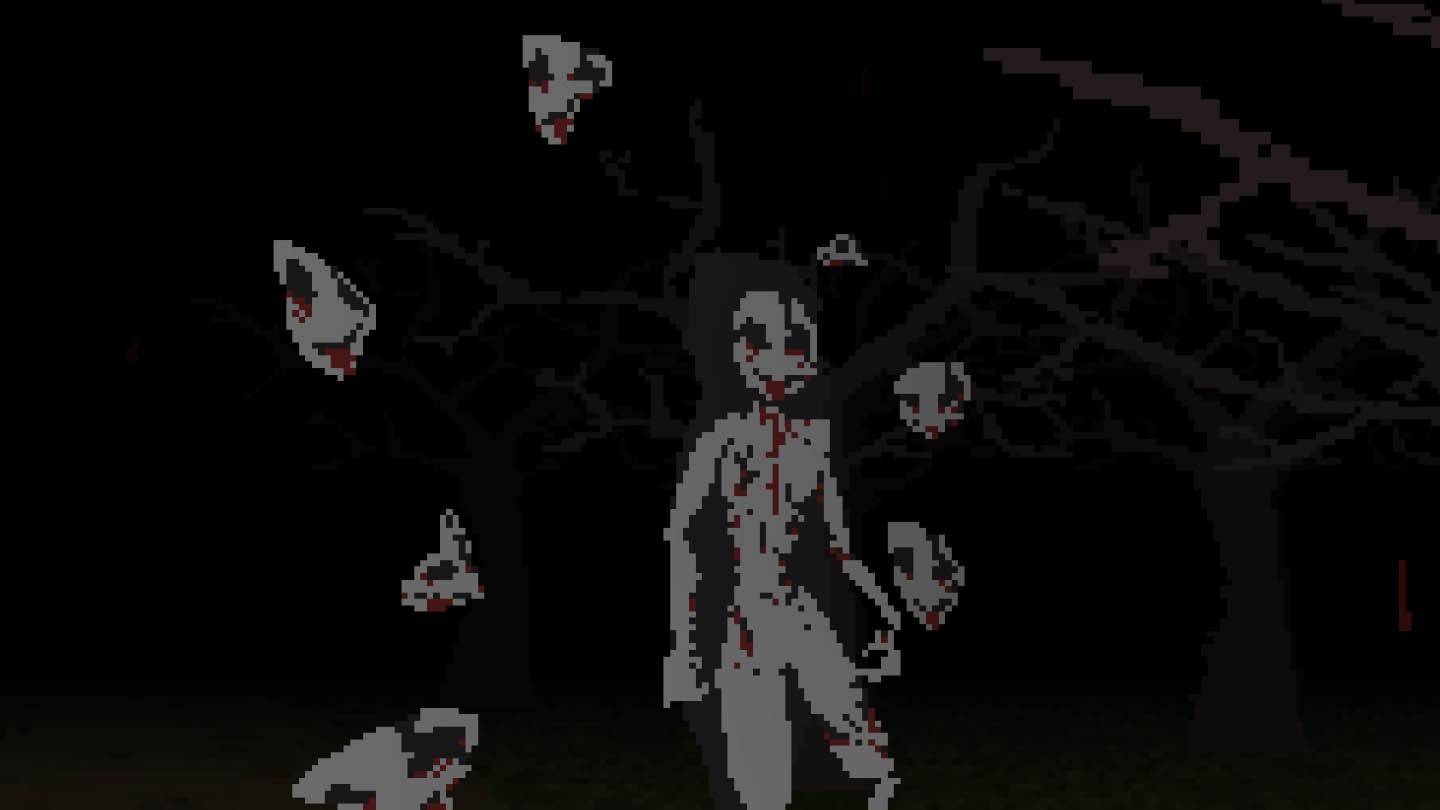 Image: reddit.com
IMSCARED even begins by assuring you it is not harmful, with the developer preemptively explaining potential antivirus flags. Then, the true experience begins. IMSCARED positions itself not as a game, but as a self-aware entity—a "virus" that interacts with *you*, rather than you interacting with it. This core concept drives the entire experience. It manipulates you by crashing, minimizing windows, seizing control of your cursor, and creating files that are either crucial or deliberately disruptive.
Originally released in 2012 and updated multiple times since, it remains a potent and fresh experience even in 2025. Be prepared for frustration from the frequent crashes and interruptions, but the payoff is unforgettable. For many, IMSCARED is the definitive meta-horror game, terrifying not through graphics alone, but by intimately interacting with your own system.
Conclusion
While many games incorporate similar techniques, few master them as effectively as the titles discussed here. Meta-horror delivers a uniquely visceral sensation, and I highly recommend trying at least one. If visual novels aren't your preference, give OneShot or IMSCARED a chance. For fans of surreal atmospheres and survival elements, Voices of the Void offers another captivating option within this fascinating genre.