
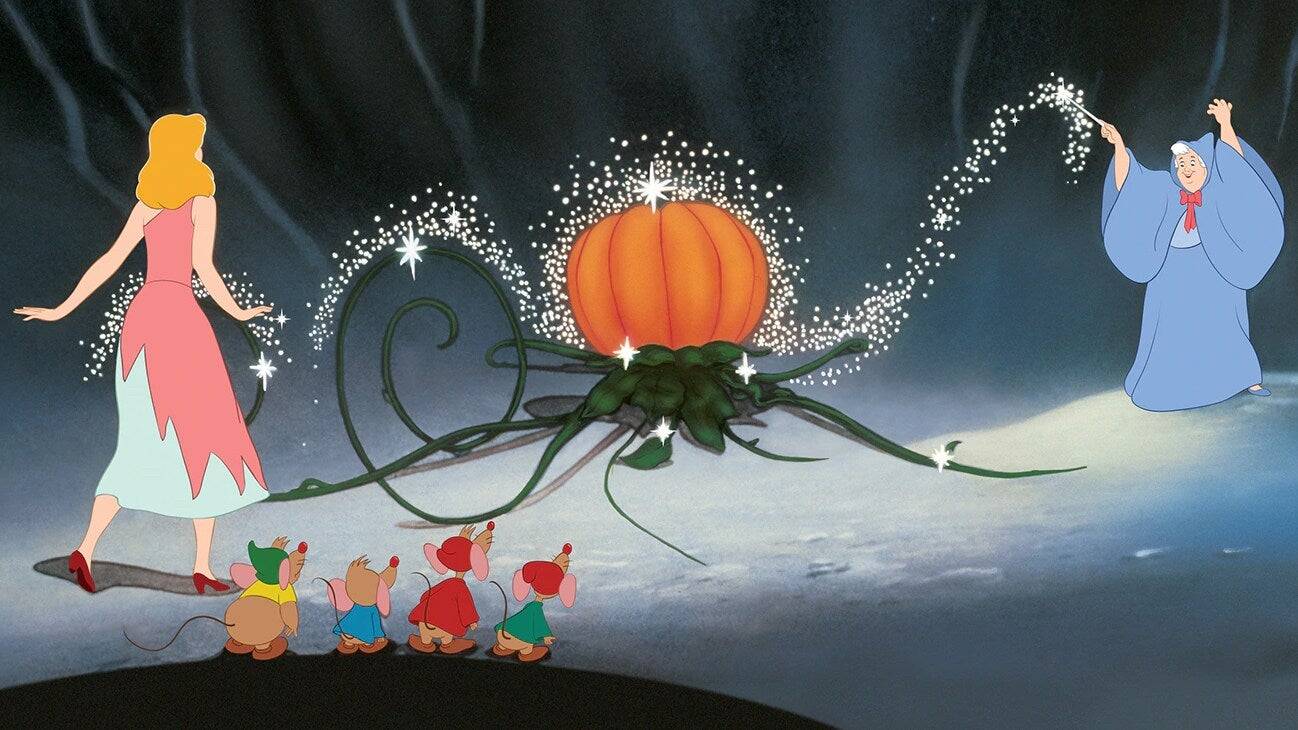

Much like Cinderella's magical night nearly ended at midnight, The Walt Disney Company faced its own moment of truth in 1947 – drowning in $4 million debt due to disappointing returns from Pinocchio, Fantasia, and Bambi. This beloved princess didn't just save herself – she rescued Disney's animation legacy from potential collapse.
The Darkest Hour Before Dawn
As we celebrate Cinderella's 75th anniversary since its March 4 theatrical debut, Disney creatives reflect on how this rags-to-riches story paralleled Walt's own journey. Beyond corporate salvation, it offered postwar audiences exactly what they needed – proof dreams could still come true.
Redemption Through Storytelling
Rewind to 1937 – Snow White and the Seven Dwarfs wasn't just successful, it bankrolled Disney's Burbank studio and established feature animation. Yet subsequent films like Pinocchio (despite two Oscars) hemorrhaged cash, worsened by WWII's disruption of European markets.
"Disney actually became a wartime contractor," reveals Eric Goldberg, acclaimed animator behind Aladdin's Genie. "The studio pumped out training films and compilation packages like Make Mine Music just to stay afloat."
By 1947, Walt faced an existential crossroads. "We're going forward or liquidating," he famously told brother Roy during a heated argument. Their gamble? Doubling down on Cinderella – a strategic return to Snow White's fairy tale magic.
Art archivist Tori Cranner explains the cultural timing: "Postwar America craved hope. Pinocchio's morality tale couldn't compete with Cinderella's promise that beauty rises from ashes."
From Kansas City to the Castle
Walt's connection to Cinderella predates his famous studio – his 1922 Laugh-O-Gram short already reinterpreted Charles Perrault's 17th century version. That bankrupt venture mirrored Cinderella's early struggles, cementing Walt's bond with resilient dreamers.
The 1950 film transformed Perrault's fairy godmother into a delightfully clumsy gran – a masterstroke by animator Milt Kahl. "This warmth made the magic feel accessible," Goldberg notes. Marc Davis and George Rowley then labored over each hand-painted sparkle in the dress transformation – still considered one of animation's crowning achievements.

The Glass Slipper Moment
Goldberg emphasizes how Disney redefined Cinderella's agency: "That broken slipper scene? Pure invention. She doesn't just wait – she produces the matching shoe, proving she drives her destiny."
The $7 million box office smash (from $2.2 million budget) saved Disney's animation division. More importantly, it launched the studio's second golden age – Peter Pan, Sleeping Beauty, and 101 Dalmatians all followed in its wake.
Ripples Through Time
Decades later, Cinderella's DNA persists – from park castles to Elsa's transformation in Frozen. Lead animator Becky Bresee confirms: "We directly referenced those famous sparkles for Elsa's dress change."
As Goldberg perfectly summarizes: "Cinderella isn't about passive wishes – it's about hope earned through perseverance. That's why it still resonates after 75 years."

For further exploration of Disney animation's golden age, delve into the careers of the Nine Old Men or visionary artist Mary Blair whose stylized designs defined Cinderella's timeless aesthetic.