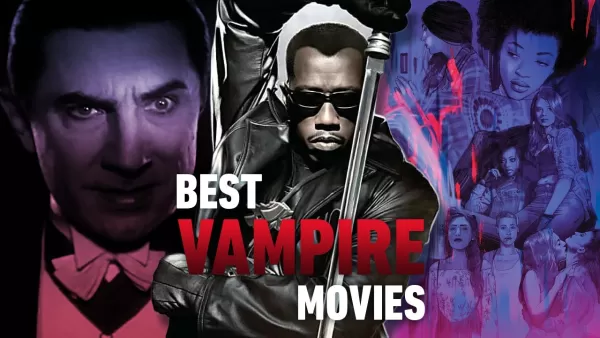
Vampires have been a staple of horror cinema since the early days of film, evolving from the iconic Universal Dracula to a diverse array of interpretations, including the glamorous and the grotesque. From sparkling romantics to terrifying creatures of the night, the vampire genre has continuously reinvented itself, reflecting the changing tides of horror trends. Our journey through the annals of vampire cinema aims to spotlight the most exceptional vampire films across history, capturing the essence of each era's horror movements.
While we've curated a list of the top vampire movies, there are other notable films that deserve mention, such as "Suck," "The Transfiguration," "Byzantium," "Blood Red Sky," and "Blade." These movies have their own unique take on vampirism and contribute significantly to the genre. We encourage you to share your favorites in the comments section after exploring our selection below.
Let's delve into the rich tapestry of vampire cinema and explore the 25 best vampire movies of all time. For those interested in broader horror categories, you might also enjoy our list of the best monster movies.
25 Best Vampire Movies of All Time
 View 26 Images

 25. Vampyr (1932)
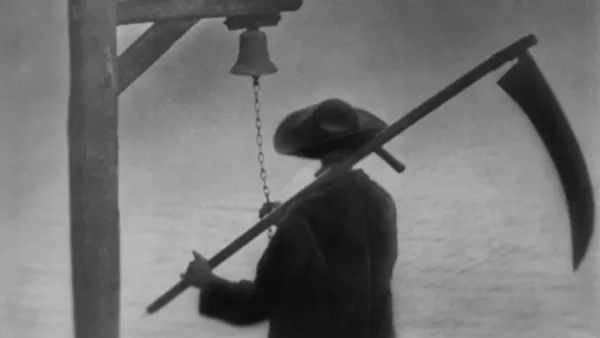
Criterion has rightfully hailed "Vampyr" as a horror classic. Danish filmmaker Carl Theodor Dreyer masterfully utilizes the limited technological resources of the era to craft a haunting black-and-white vampire mystery. The film's innovative use of shadows that move with a life of their own creates a dreamlike atmosphere, enhancing the supernatural elements. While not as renowned as "Nosferatu," "Vampyr" showcases the potential of vampire films to stand out through its ethereal visuals and ghostly disorientation, demonstrating that ambition can transcend technical limitations.
Bit (2019)
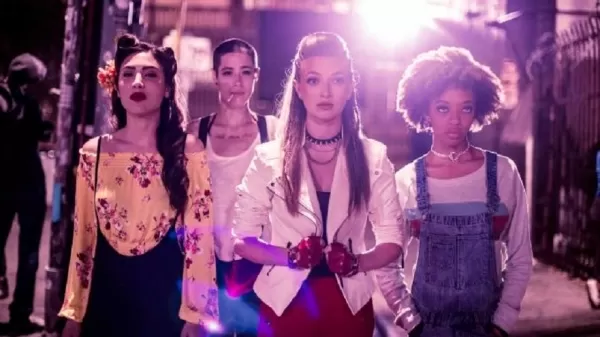
Brad Michael Elmore's "Bit" effortlessly captures the vibrant spirit of Los Angeles with its bold and stylish approach to the vampire genre. Starring Nicole Maines as a transgender teenager who joins a fierce group of female vampires led by the charismatic Diana Hopper, the film exudes an authentic LA vibe. Its indie charm, coupled with a pulsating soundtrack and a strong feminist message, makes "Bit" a standout. It's a film that blends style with substance, appealing to both horror enthusiasts and those who appreciate its thematic depth.
Nosferatu (2024)
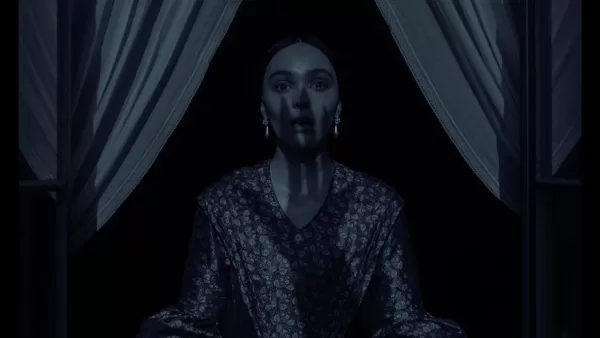
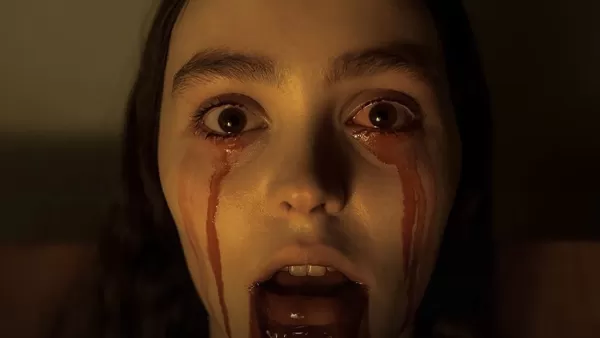
Robert Eggers' passion project, "Nosferatu," is a visually stunning and atmospherically rich reimagining of the classic tale. With meticulous cinematography by Jarin Blaschke and transformative performances from Bill Skarsgård as Count Orlok and Lily-Rose Depp as his muse, the film is a testament to Eggers' dedication to crafting an immersive horror experience. Supported by a talented cast including Nicholas Hoult, Aaron Taylor-Johnson, and Willem Dafoe, "Nosferatu" offers a gothic, grotesque, and utterly captivating take on the vampire legend.
Fright Night (2011)
The 2011 remake of "Fright Night" surpasses its 1985 predecessor with its intense pacing and dynamic performances. Colin Farrell's portrayal of the menacing Jerry Dandridge and David Tennant's flamboyant Vegas showman Peter Vincent add fresh energy to the story. While the original's practical effects are noteworthy, the remake excels in its relentless tension and modern flair, making it a formidable entry in vampire cinema.
Bloodsucking Bastards (2015)
"Bloodsucking Bastards" cleverly uses vampirism as a metaphor for the soul-draining nature of corporate life. This horror comedy follows a sales office transformed into a haven for nocturnal sales agents, with Fran Kranz and Pedro Pascal leading the charge. The film's satirical edge and inventive use of office supplies as weapons make it a unique and entertaining addition to the genre, perfect for fans of "worksploitation" horror.
The Lost Boys (1987)
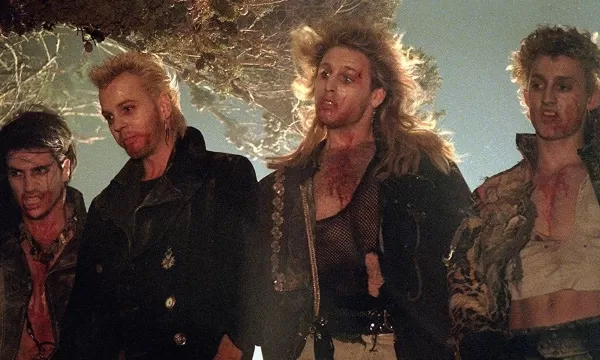
"The Lost Boys" is an iconic '80s horror film that combines elements of Peter Pan with the darker world of vampires. Joel Schumacher's vision is infused with the era's signature style, from the infamous "Sexy Sax Man" to the boardwalk setting. Kiefer Sutherland's menacing portrayal of the vampire leader and the film's blend of humor and horror make it a memorable entry in vampire cinema.
Norway (2014)
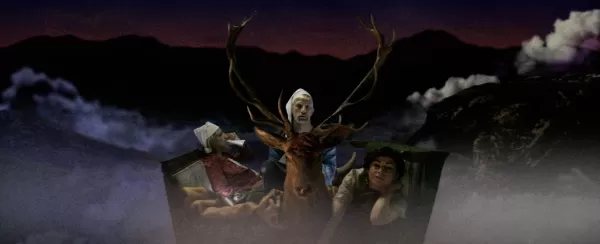
"Norway" is an under-the-radar gem that blends Eurotrash aesthetics with a unique take on vampirism. Yannis Veslemes' film follows a vampire who must keep dancing to survive, set against the backdrop of 1980s nightclubs. Its vibrant visuals and unconventional narrative make it a fascinating exploration of the genre, offering a fresh and groovy perspective on vampire lore.
Cronos (1992)
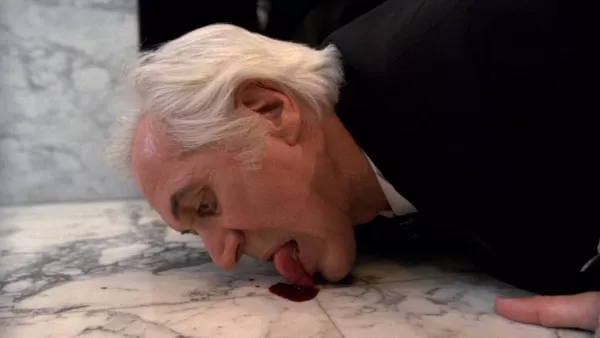
Guillermo del Toro's debut feature, "Cronos," is a distinctive take on vampirism, focusing on themes of eternal life and addiction. The film's inventive use of a golden scarab as the source of vampirism and its minimalistic approach to traditional bloodsucking set it apart. With a young Ron Perlman and del Toro's signature style, "Cronos" is a compelling introduction to his exploration of monsters and humanity.
Blade 2 (2002)
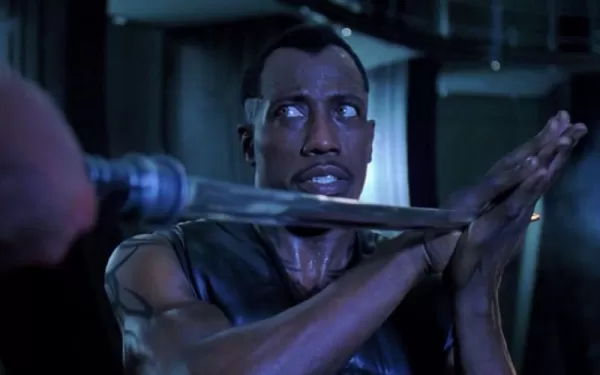
"Blade 2" stands out as a superior sequel that enhances the original's action and horror elements. Directed by Guillermo del Toro, the film features more colorful landscapes, terrifying vampire designs, and high-tech weaponry. Wesley Snipes' charismatic portrayal of Blade, combined with del Toro's flair for the macabre, makes "Blade 2" a thrilling and visually striking entry in the vampire genre.
Stake Land (2010)
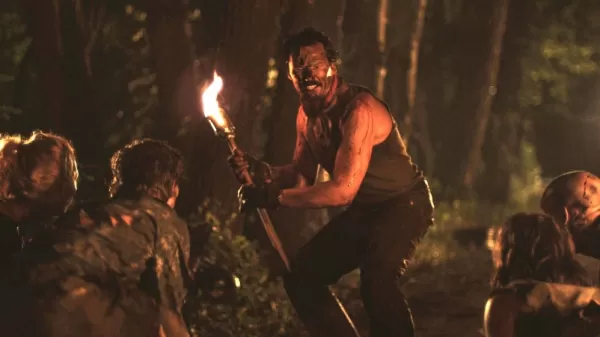
"Stake Land" offers a gritty, apocalyptic take on vampirism, presenting a world overrun by vampire hordes. Jim Mickle and Nick Damici's film follows a vampire hunter mentoring a young survivor, delivering intense action and a bleak atmosphere. As a response to the romanticized vampires of the "Twilight" era, "Stake Land" emphasizes survival and tension, making it a compelling addition to the genre.
Only Lovers Left Alive (2013)
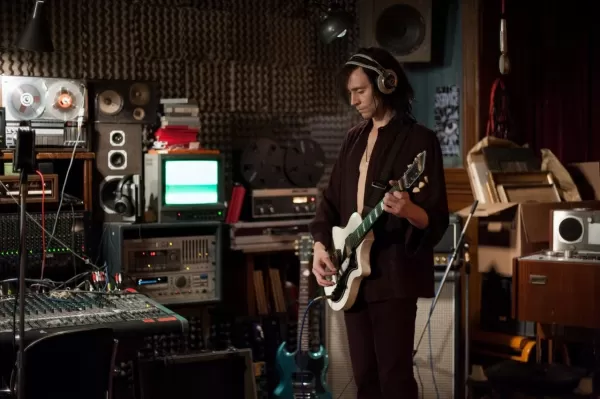
Jim Jarmusch's "Only Lovers Left Alive" brings a cool, indie rock vibe to the vampire genre. With Tom Hiddleston and Tilda Swinton delivering captivating performances as centuries-old vampires, the film explores themes of eternal life and human corruption. Its rebellious spirit and stylish execution make it a standout in vampire cinema, offering a unique perspective on the undead.
30 Days of Night (2007)
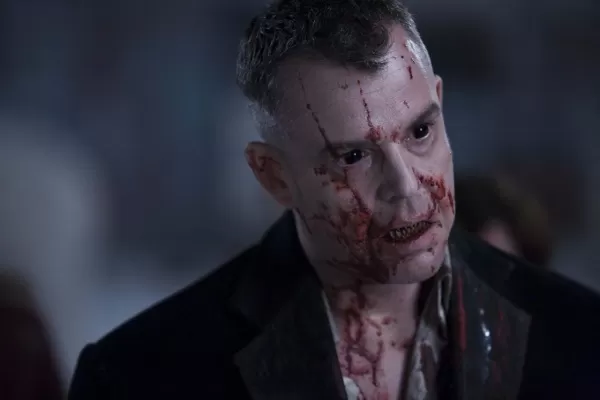
"30 Days of Night" is a gripping comic book adaptation that plunges viewers into a relentless vampire siege in an Alaskan town. Directed by David Slade, the film features intense performances from Josh Hartnett and Melissa George, and Danny Huston's chilling portrayal of the vampire leader adds to the film's horror. Its graphic nature and suspenseful survival narrative make it a standout in vampire cinema.
Ganja & Hess (1973)
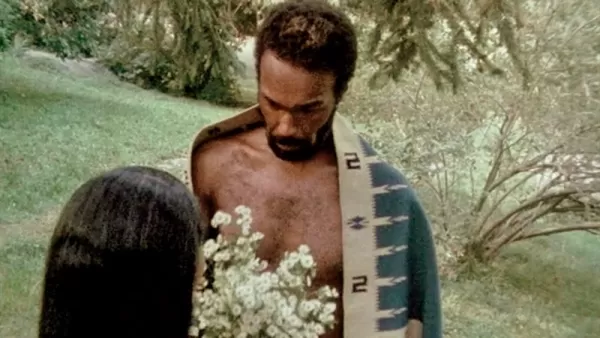
"Ganja & Hess" is an experimental vampire romance that stands out for its focus on the Black experience. Directed by Bill Gunn, the film explores themes of imprisonment and societal issues through the lens of vampirism. Its raw and ritualistic approach, combined with a haunting score, makes it a significant and underappreciated entry in vampire cinema.
Interview With the Vampire (1994)
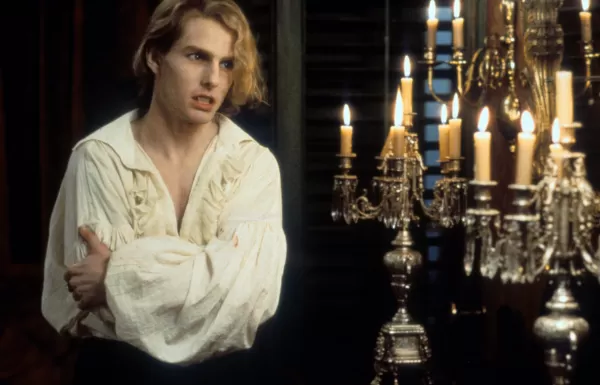
"Interview With the Vampire" is a lavish and indulgent adaptation of Anne Rice's novel, featuring standout performances from Tom Cruise and Brad Pitt. The film's opulent settings and exploration of queer subtext make it a unique and memorable entry in vampire cinema. Its blend of horror and drama, combined with its lush visuals, cements its status as a classic.
From Dusk Till Dawn (1996)
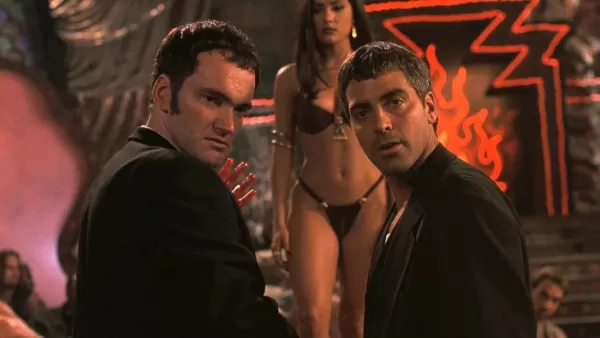
"From Dusk Till Dawn" seamlessly transitions from a crime thriller to a vampire-filled horror fest. Directed by Robert Rodriguez and written by Quentin Tarantino, the film features a standout performance from Salma Hayek and intense action sequences. Its blend of genres and practical effects make it a thrilling and unconventional addition to vampire cinema.