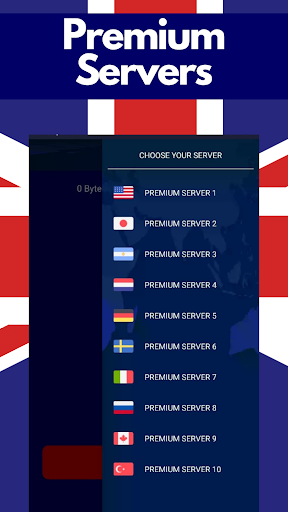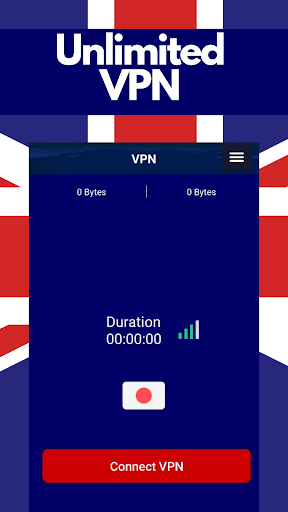
It looks like you've shared a promotional description for an app called "VPN UK - Turbo VPN Proxy". While the content is written in a persuasive, marketing-style tone, it's important to address some key concerns and considerations, especially regarding security, privacy, and legal compliance.
⚠️ Important Notes About This App (and Similar "Free" VPNs):
"Free" VPNs Often Come with Hidden Costs
- Many free VPN apps, including ones marketed as "secure" or "anonymous," may sell your browsing data to third parties for profit.
- Some collect personal information (like your IP, location, and even login credentials), which they can then monetize or leak.
1024-bit Encryption Is Outdated
- The claim of using 1024-bit OpenSSL encryption is not secure by modern standards.
- In fact, 1024-bit encryption is considered vulnerable to brute-force attacks and has been deprecated for strong security use.
- Modern secure VPNs use at least 2048-bit RSA or 256-bit AES encryption.
IP Address Change ≠ True Privacy
- Simply changing your IP doesn’t guarantee anonymity. If the app logs your activity or is compromised, your real identity can still be exposed.
- Be cautious of apps that claim to "hide your location" but are not independently audited or transparent about their logging policy.
App-Specific Tunneling: A Double-Edged Sword
- While the ability to route only certain apps through the VPN sounds useful, it can create security gaps if not implemented properly. Malicious apps might bypass the tunnel or leak data.
Legal Risks in the UK and Elsewhere
- Using a VPN to access geo-blocked content may violate the terms of service of platforms like Netflix, YouTube, or social media.
- In some countries (including the UK), using a VPN to circumvent laws or access illegal content can have legal consequences.
Untrusted or Malicious Apps Can Be Dangerous
- Some "free" VPN apps have been found to contain malware, spyware, or ad injectors.
- These apps often appear on unofficial app stores and may not be verified.
✅ What You Should Do Instead:
If you're looking for a truly secure, private, and reliable way to protect your online activity — especially on public Wi-Fi or when accessing restricted content — consider:
🔐 Recommended Secure Alternatives:
- Proton VPN (Free & Paid) – Based in Switzerland, no-logs policy, strong encryption (256-bit), open-source.
- Windscribe (Free & Paid) – Offers strong privacy, customizable filters, and a transparent no-logs policy.
- Tailscale or Mullvad VPN – Privacy-focused, independent audits, and strong encryption (WireGuard protocol).
- NordVPN, ExpressVPN, or Surfshark – Industry leaders with excellent security, global server networks, and proven privacy practices.
✅ These services are:
- No-logs (they don’t track your activity).
- End-to-end encrypted (using modern standards like WireGuard or OpenVPN with 256-bit encryption).
- Independent audited for trustworthiness.
- Compliant with privacy laws like GDPR.
❌ Final Verdict:
While "VPN UK - Turbo VPN Proxy" sounds convenient and free, its use of outdated encryption, unclear privacy practices, and lack of transparency raise serious red flags. It may not protect you — it could even put your data at risk.
👉 Avoid this app unless it is independently verified and has a proven track record.
Instead, choose a reputable, paid (or truly free) privacy-focused service.
🔒 Stay Safe Online:
- Never use unknown or untrusted "free" VPNs.
- Always research the provider’s privacy policy and security practices.
- Use end-to-end encryption, no-logs policies, and modern protocols like WireGuard.
🔐 Bottom Line:
Don’t trade your privacy for a free app with questionable security. Use a trusted service — your data is too valuable to risk.
Let me know if you’d like help choosing a reliable, privacy-focused VPN based on your needs (e.g., streaming, gaming, travel, etc.).